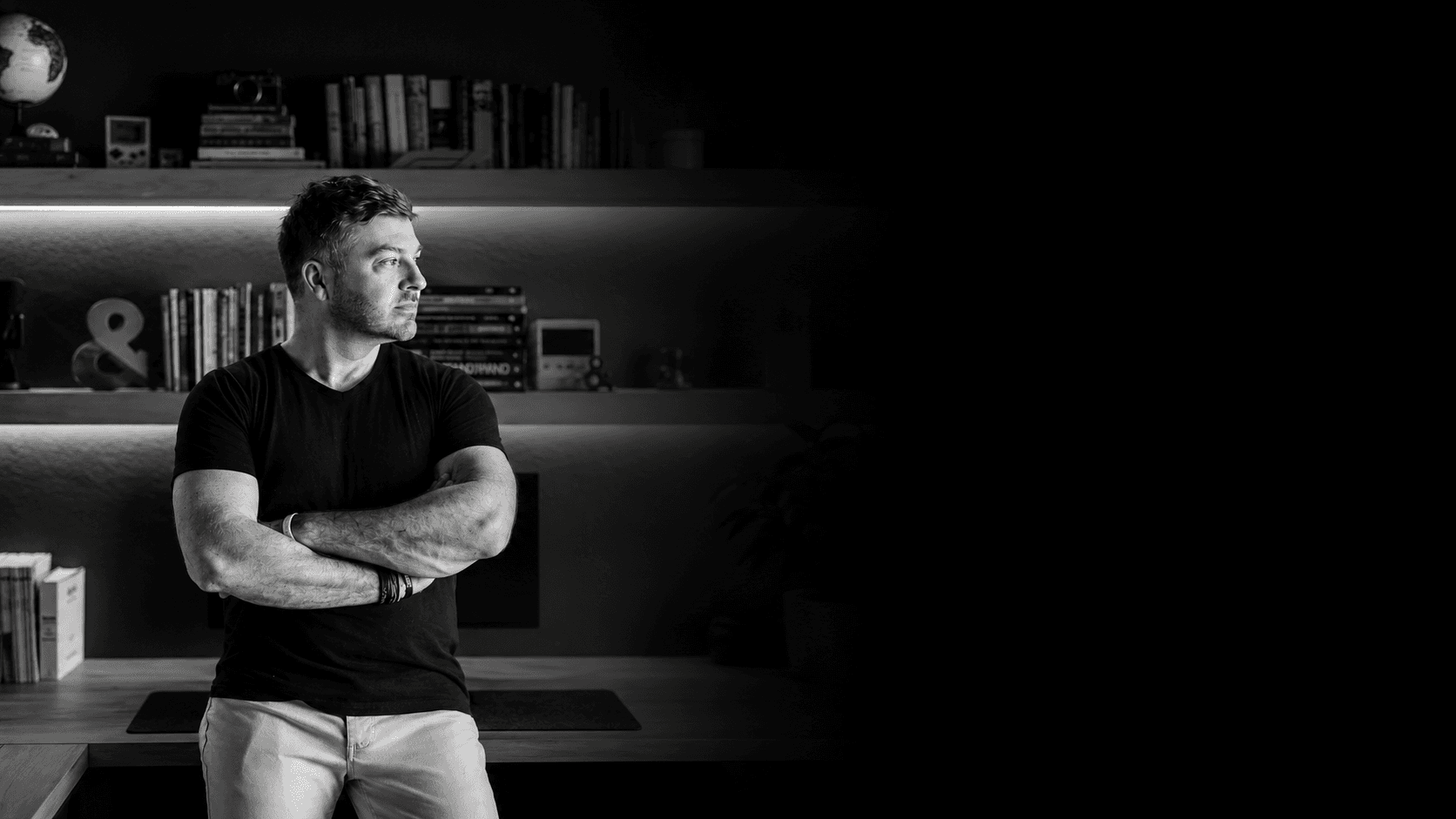
Brad Grabowski
Product Design Leader
15+ Years Experience
How I Work
AI made building easier. It didn’t make knowing what to build easier.
I hold a high bar for craft, stay close to research, and build the systems — not just the screens — that make good design hold up as a product scales.
My focus is shaping product direction: partnering with product and engineering to find the problem worth solving before anyone opens Figma. B2B, B2C, and enterprise.
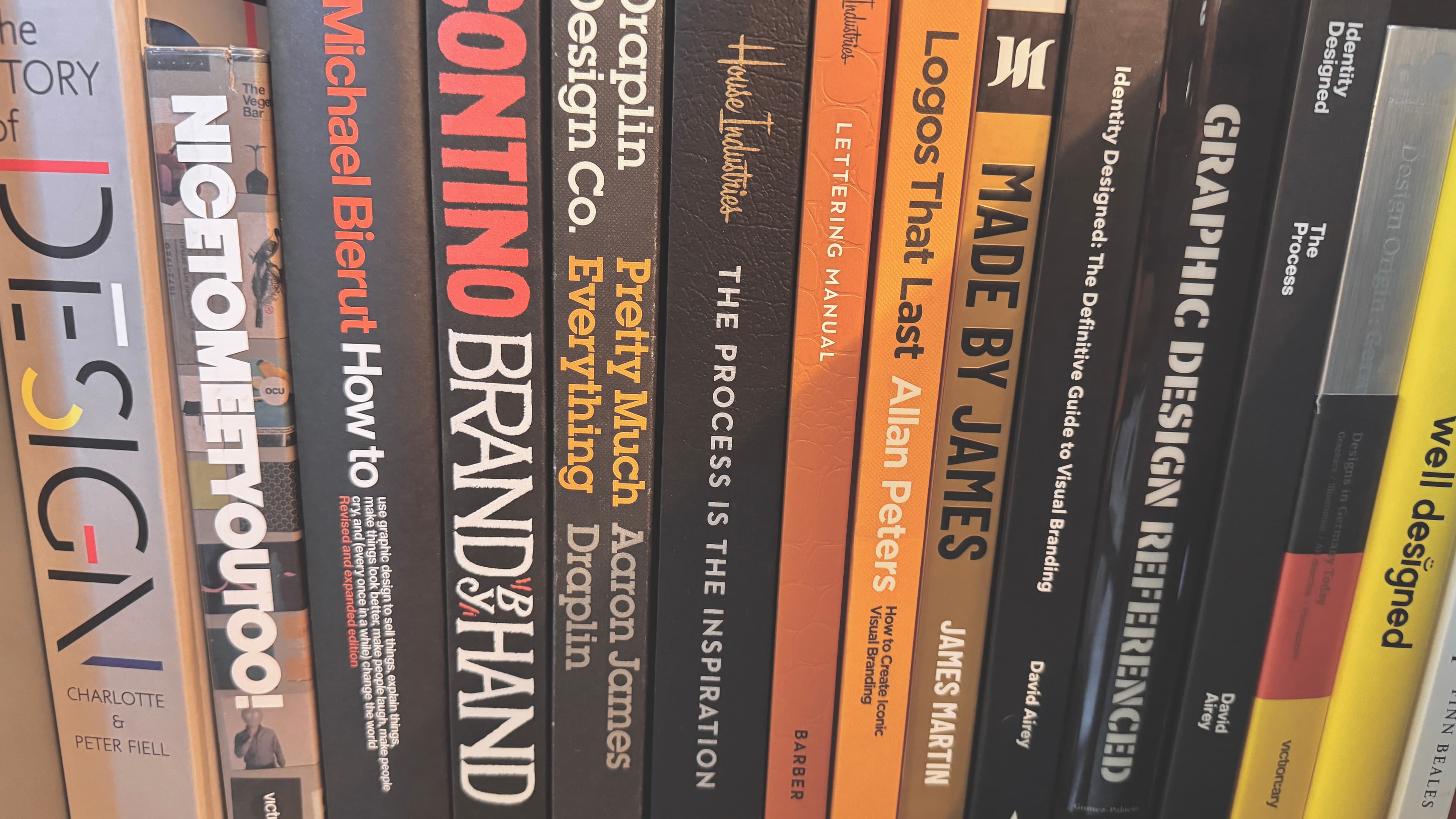
The principles that drive how I work.
Start with the right problem
Good design starts with understanding what actually needs to change, and why, before deciding what to build.
Bring design in as a partner
The best outcomes happen when design helps shape what gets built, not just how it looks.
Create clarity, then get out of the way
Give people context, a clear bar for quality, and the ownership to meet it themselves.
Build systems, not one-off wins
Good design should be repeatable across a team, not dependent on whoever's in the room.
Tie every decision to outcomes
Design succeeds when customer needs, business goals, and the metrics that matter actually line up.
Use AI to raise the ceiling, not replace judgment
AI should expand what a team can do while people stay in control of the decisions that matter.
Stay close to the craft, not the approval chain
Involved enough to protect quality; far enough back that the team owns the work.
What's shaping my thinking
When AI acts on a user's behalf, who is responsible for what it does?
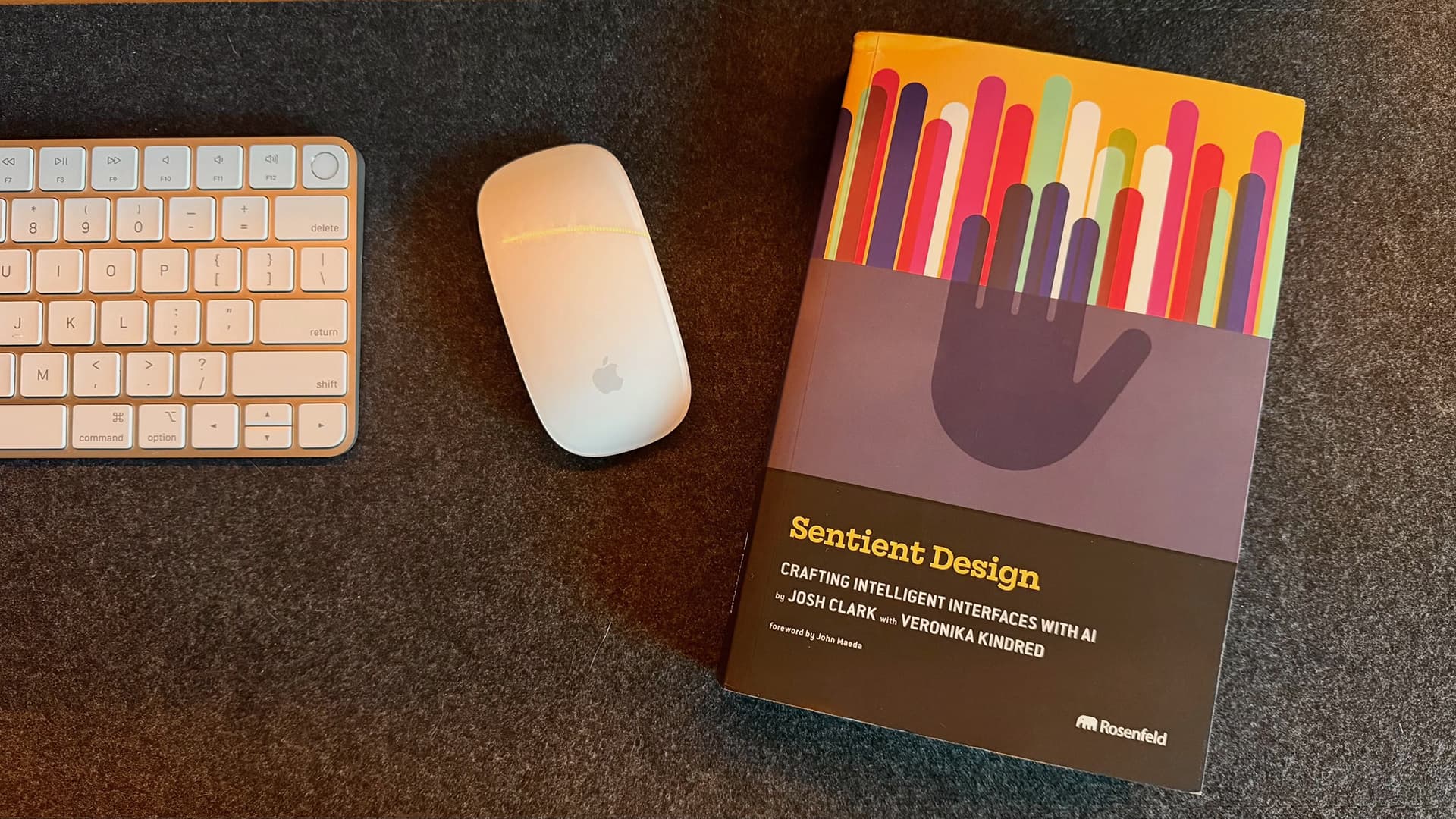
Clark and Kindred frame it well in Sentient Design: the shift isn't from bad interfaces to better ones. It's from interfaces that respond to commands to systems that understand intent. That's a different design problem entirely, and most teams aren't treating it that way yet.
Sentient Design — Josh Clark & Veronika Kindred
Companies I’ve worked with